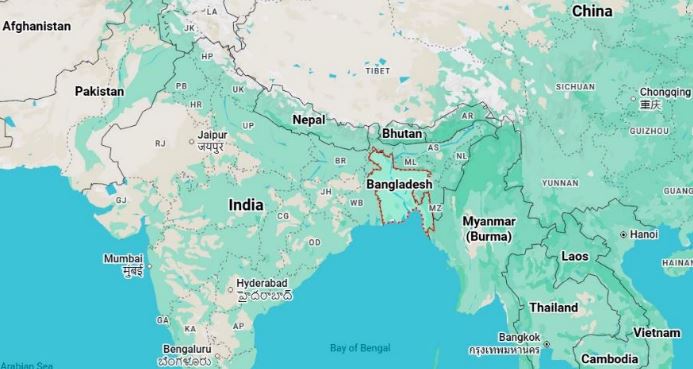
April 6 (UPI) — Bangladesh launched an emergency vaccination campaign to protect more than a million children from measles, after at least 98 children have died from the disease since March 15.
Measles is extremely contagious and requires 95% vaccination to prevent its spread. Bangladesh last had a vaccination campaign in 2020 and planned a second one in 2024. But political unrest in the country prevented the 2024 attempt.
At least 100 people have died in Bangladesh from suspected measles between March 15 and April 4, according to the country’s Directorate General of Health Services. The official count of confirmed measles deaths is 17. There have been more than 7,500 suspected cases and more than 900 cases have been confirmed. In 2025, there were 125 cases of measles in the country.
The vaccination campaign began on Sunday. Prime Minister Tarique Rahman lowered the vaccination age from 9 months to 6. Many of those infected were under the age of initial vaccination.
The campaign is led by the health directorate, with help from the United Nations Children’s Fund, the World Health Organization and global vaccine alliance Gavi. It will focus on 18 specific high-risk districts, then on May 3, it will go nationwide.
“Bangladesh has a strong history of high immunization coverage, but even small disruptions can lead to the gradual accumulation of immunity gaps over time,” UNICEF said.
The campaign will be especially focused on the densely populated capital Dhaka, as well as Cox’s Bazaar, where there are crowded Rohingya refugee camps.
The priority is for children ages 6 months to 5 years, particularly those who missed their routine immunization and face the highest risk of complications.
“Vaccines are foundational to child survival. UNICEF is deeply concerned about the sharp rise in measles cases across Bangladesh, putting thousands of children, especially the youngest and most vulnerable, at serious risk,” said Rana Flowers, UNICEF Representative in Bangladesh, in a statement.
“This resurgence highlights critical immunity gaps, particularly among zero-dose and under-vaccinated children, while infections among infants under nine months, who are not yet eligible for routine vaccination, are especially alarming. UNICEF is working closely with the government and partners to reach every child, close immunity gaps and protect Bangladesh’s children from this preventable disease.”
In February, Bangladesh had its first election since the ouster of Prime Minister Sheikh Hasina. In November, a court in Dhaka sentenced Hasina to death for crimes against humanity for leading a violent crackdown on student protests. Her security forces are believed to have killed 1,400 people in the protests.